
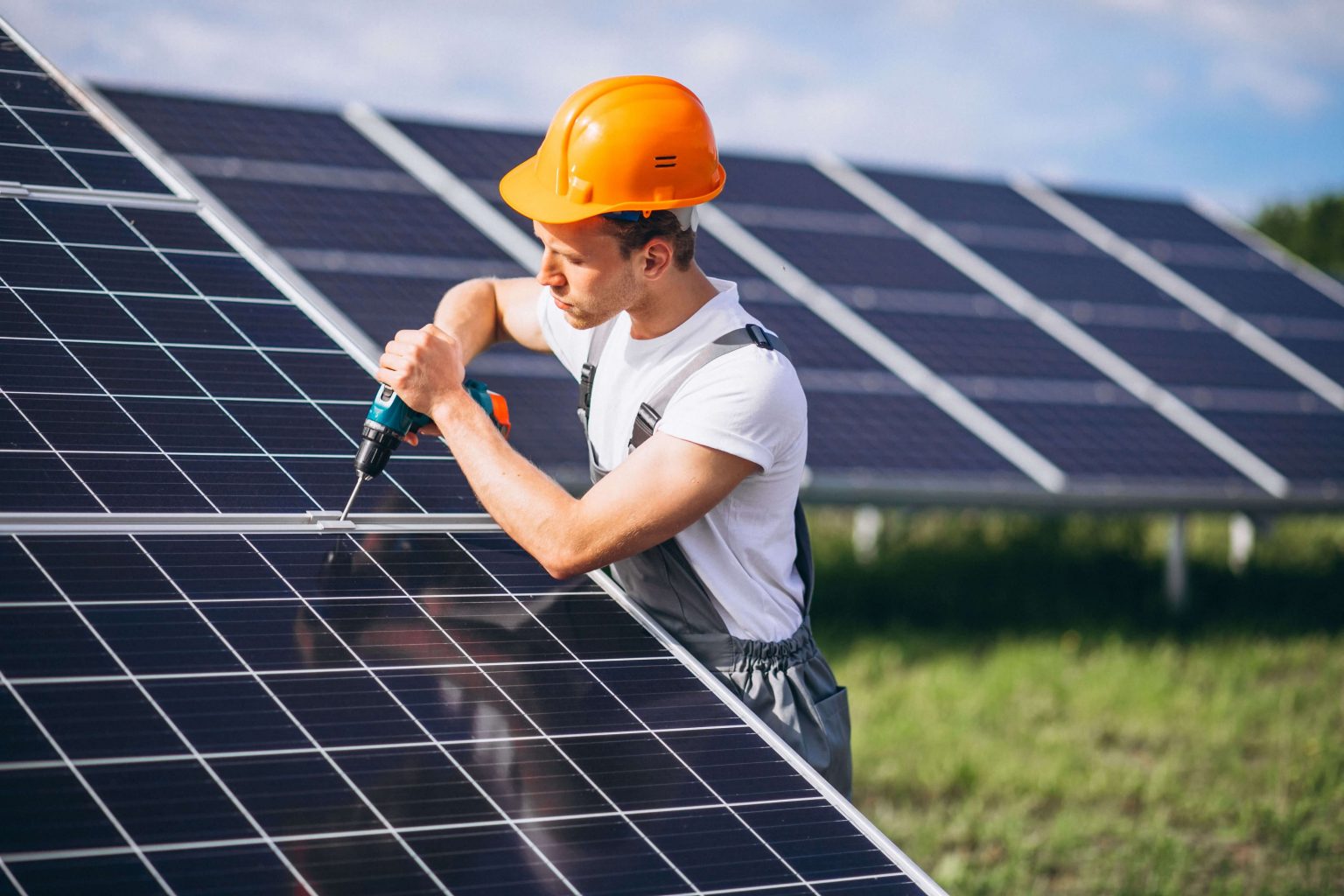
Photovoltaic panels, commonly known as solar panels, have become an increasingly popular solution for generating clean and renewable energy. These panels work by converting sunlight directly into electricity through the photovoltaic effect, a process that has revolutionized the way we think about power generation. Understanding how photovoltaic panels operate and recognizing their benefits can help individuals and businesses make informed decisions about adopting solar technology.
At the heart of every photovoltaic panel are numerous solar cells made primarily from semiconductor materials such as silicon. When sunlight hits these cells, it excites electrons within the material, creating an electric current. This flow of electrons is captured by wiring embedded in the panel and directed to an inverter, which converts the direct current (DC) electricity produced by the cells into alternating current (AC) electricity usable in homes and businesses. The efficiency of these panels depends on factors like cell quality, design, and exposure to sunlight but generally ranges between 15% to 22%.
One significant advantage of photovoltaic panels is their ability to generate power without emitting greenhouse gases or other pollutants. Unlike fossil fuels that contribute heavily to air pollution and climate change, solar energy offers a clean alternative that helps reduce carbon footprints worldwide. Additionally, once panouri fotovoltaice installed, these systems require minimal maintenance because they have no moving parts prone to wear or failure.
The economic benefits also make photovoltaic panels worth considering. Although initial installation costs can be substantial depending on system size and location, long-term savings on electricity bills often offset this investment over time. Many regions offer incentives such as tax credits or rebates that further reduce upfront expenses for homeowners or businesses willing to adopt solar solutions.
Moreover, photovoltaic technology enhances energy independence by reducing reliance on grid-supplied power vulnerable to price fluctuations or outages caused by natural disasters or infrastructure failures. With advancements in battery storage systems complementing solar installations today’s users can store excess generated energy for use during nighttime hours or cloudy days when production dips.
In conclusion, photovoltaic panels represent a smart investment not only environmentally but economically as well. Their ability to harness limitless sunlight efficiently while cutting down harmful emissions aligns with global efforts toward sustainable development goals aimed at preserving our planet’s health for future generations. As technology continues improving efficiency rates alongside decreasing manufacturing costs makes embracing solar power more accessible than ever before-proving why photovoltaic panels truly are worth it in today’s world focused increasingly on sustainability challenges ahead.
